Journal Plunge
Cold showers, sensibly: a beginner's guide
Cold water has become an internet spectacle, which is a shame, because underneath the ice-bath theatrics sits a genuinely useful practice: brief, deliberate discomfort, chosen on purpose, finished calmly. Done sensibly, a cold shower is one of the simplest ways to practise composure under stress.
First, the serious part.
Read this before you start
Cold water is a real stressor. The moment it hits, your body triggers the cold-shock response: an involuntary gasp, rapid breathing and a sharp rise in heart rate and blood pressure. For healthy people this is uncomfortable and temporary. For people with heart conditions, high blood pressure or certain other conditions, it can be dangerous.
So, plainly:
- Speak to your doctor first if you have any cardiovascular condition, are pregnant, or are unsure
- Never combine breath holds with cold water, and never practise breathing exercises in the shower or a plunge
- In open water or a plunge tub, never go alone
- Keep it short. Minutes, not marathons
- Get out at numbness, dizziness, confusion or uncontrolled shivering, not after them
The full health and safety guidance applies to everything below.
Why bother
Honest answer: the research is promising but young. Studies suggest cold exposure may help with mood, alertness and perceived recovery, and cold water immersion has a long history in athletic practice. The evidence for hard physiological claims is thinner than the internet suggests.
But the psychological case needs no studies. Standing calm in water that every nerve wants you to escape is a daily, two-minute rehearsal of the skill that matters most everywhere else: staying composed while uncomfortable. People who practise it tend to keep it, not for the biology, but for how they leave the bathroom afterwards.
How to begin
Week one: end warm showers cold. Finish your normal shower, then turn the dial down for fifteen to thirty seconds. Aim the water at your back and chest, and pay attention to one thing only: slowing your exhale. The gasp is normal. The practice is what you do after the gasp.
Weeks two to four: extend gently. Thirty seconds becomes a minute, a minute becomes two. Cool is fine; arctic is not required. The benefit lives in the composure, not the temperature.
Then: make it a ritual, not a dare. Same time, same length, most days. You are not competing with anyone, including yesterday’s version of you.
The exit matters as much as the entry. Step out, stand still for a breath, and notice the warmth returning. That afterglow is the practice sealing itself.
Tracking the practice
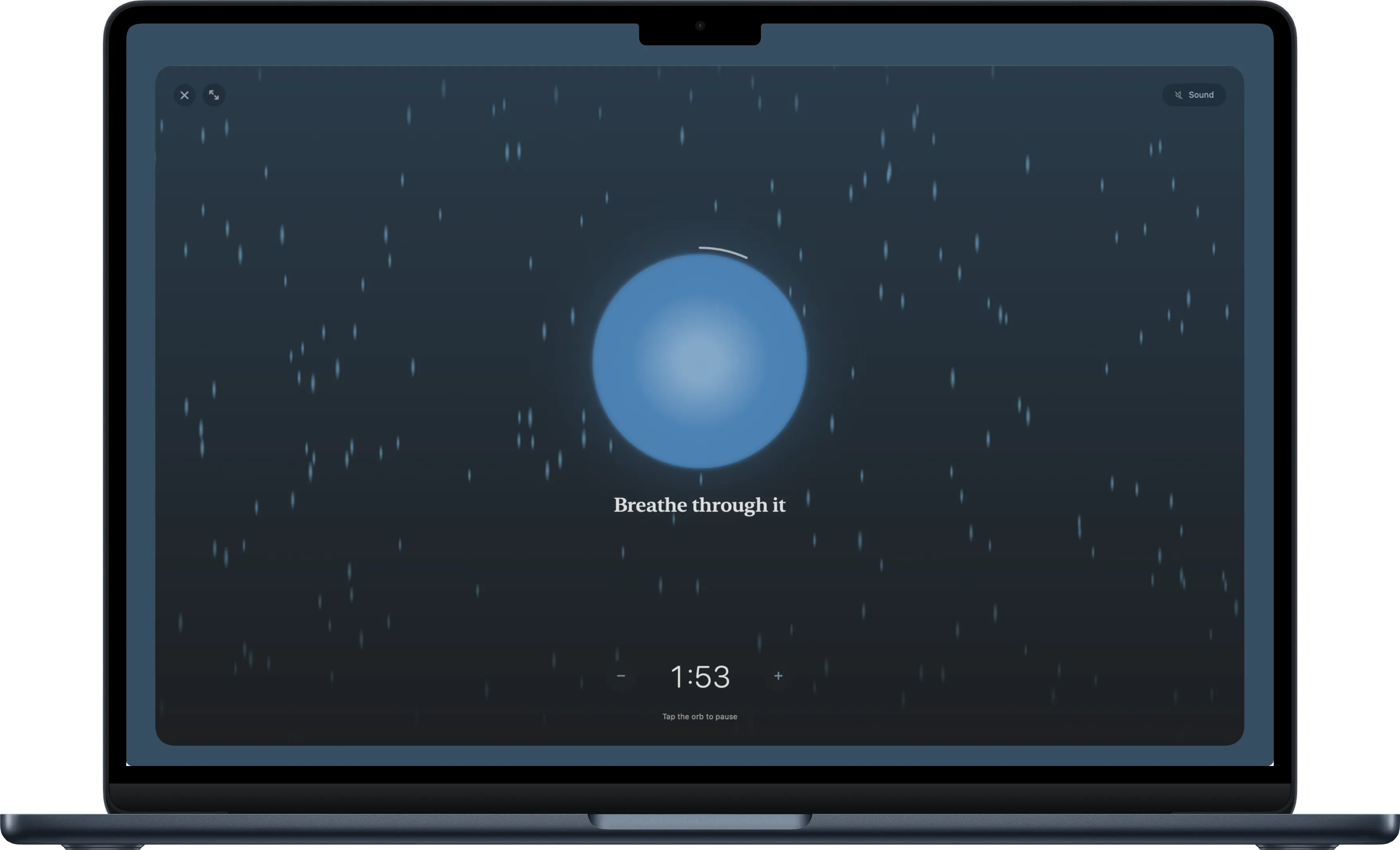
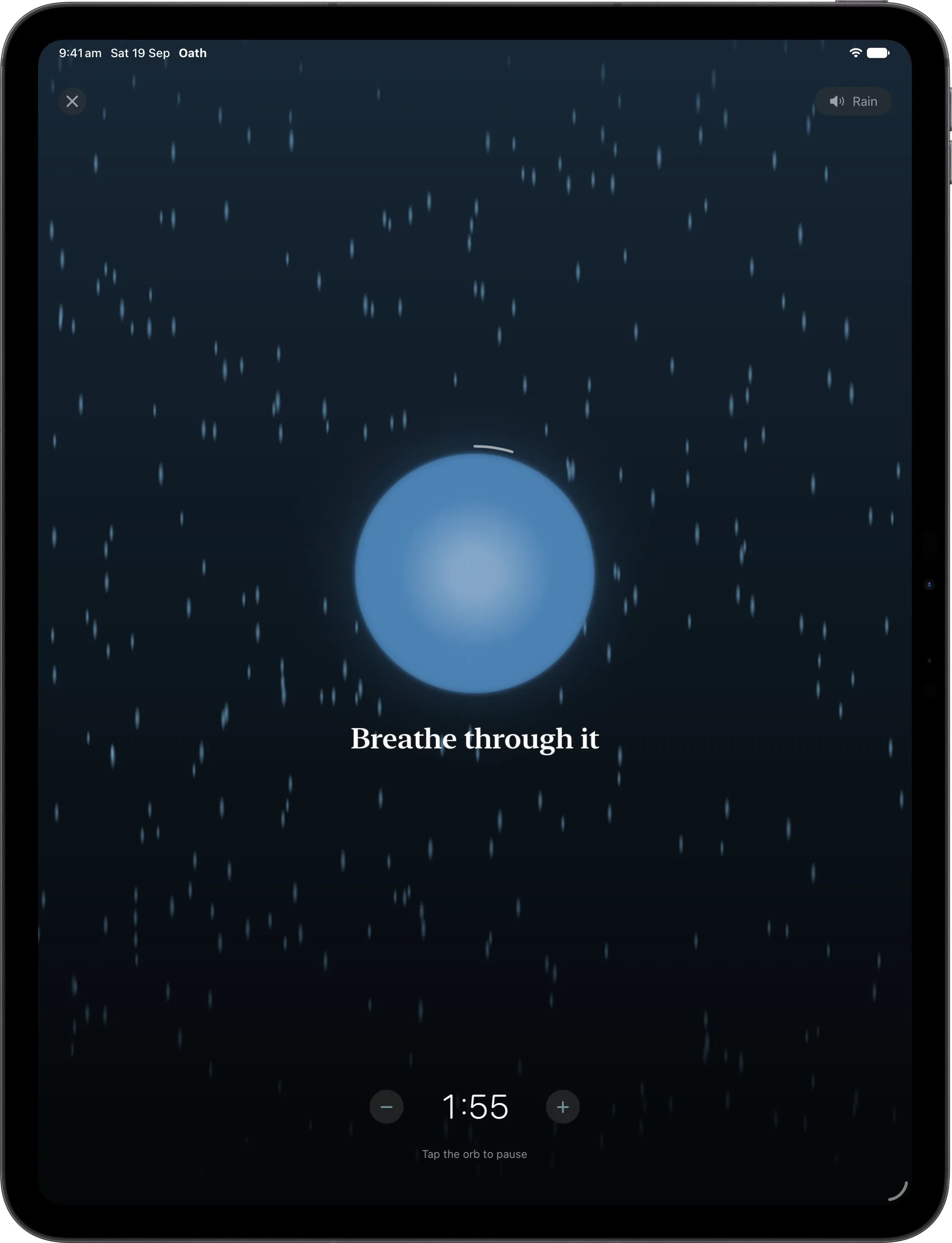
In Oath, the Plunge timer holds the session for you: a countdown, a calm face to breathe along with, rain if you want it, and your streak kept quietly alongside your training and meditation. It turns a cold minute into a kept promise, which is the entire point.
Start small, stay honest about your health, and let it be boring. Boring, repeated, is how every real practice works.